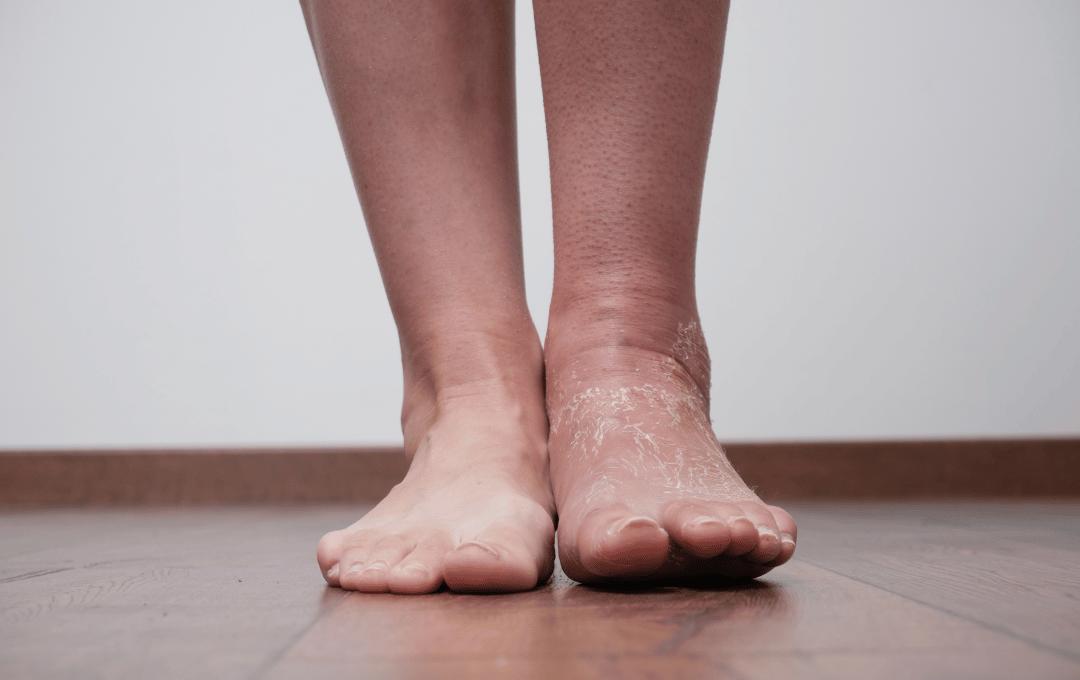

Swelling in one leg is a form of edema – fluid retention in the tissue – and it can happen with or without pain. Painless swelling that builds through the day often indicates a circulation issue in that specific leg, while sudden swelling paired with pain, warmth, or redness may signal a blood clot or infection that needs prompt medical attention.
One leg looking noticeably puffier than the other is one of the more common concerns people bring to a vein specialist. This guide walks through what one-leg swelling usually means, how to tell the difference between types of swelling, when it warrants urgent care, and how a vein evaluation can help pinpoint the cause.
What Does One-Leg Swelling Usually Mean?
Edema most often shows up in the lower legs, ankles, and feet because gravity pulls fluid downward. The key to understanding cause lies in whether the swelling affects one leg or both.
When both legs swell equally, the cause is usually systemic—meaning it is affecting fluid balance throughout your body, often related to heart, kidney, or liver function. When only one leg swells, the cause is typically local, meaning something in that specific leg’s circulation or lymphatic system is not working the way it should.
Chronic venous insufficiency (CVI), also called vein disease, is one of the most common local causes of one-leg swelling. It develops when the small valves inside your leg veins weaken and stop closing properly. Blood that should move upward toward the heart instead flows backward and pools in the lower leg. That pooling raises pressure inside the vein, and eventually fluid leaks out into the surrounding tissue—which is what you see and feel as swelling, heaviness, and discomfort.
Note: Swelling can develop gradually over months or years, so many people assume it is simply part of aging. Early evaluation makes a real difference in managing the condition before symptoms progress.
Pitting vs. Non-Pitting Swelling in Left Leg
One of the first things a vein specialist checks is whether swelling is pitting or non-pitting. This simple test helps point toward the underlying cause and guides treatment decisions.
Pitting Swelling (Vein Disease Pattern)
Press a finger gently into the swollen area for a few seconds, then release. If the skin slowly refills and leaves a small dent for a moment, that is called pitting edema. This pattern is commonly seen in vein disease, especially in early to moderate stages. Pitting swelling from CVI typically:
- Builds through the day — Gets worse after standing or sitting for long stretches, improves with leg elevation or overnight rest
- Often painless — You may feel heaviness or tightness, but not sharp pain
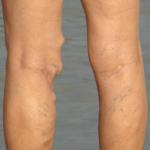
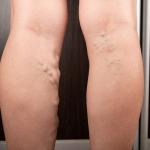
- May have visible veins — You might notice varicose veins, spider veins, or skin changes near the ankle
Non-Pitting Swelling (Lymphedema Pattern)
If pressing on the skin does not leave a lasting dent, the swelling is non-pitting. The skin bounces back immediately. This pattern is more commonly associated with lymphedema—a condition where the lymphatic system cannot drain fluid efficiently. Non-pitting swelling typically feels firm, does not improve with elevation alone, and may feel more tight or stiff than the soft, spongy feeling of vein-related swelling.
Note: Non-pitting swelling requires a different evaluation approach than vein-related swelling. If you have non-pitting edema, your doctor may recommend lymphatic imaging or referral to a lymphedema specialist.
Sudden Swelling with Pain or Warmth
Sudden one-leg swelling paired with pain, warmth, redness, or tenderness is a different situation entirely. This combination can signal a blood clot (deep vein thrombosis or DVT) or a skin infection such as cellulitis. Do not wait—seek medical evaluation promptly or go to an urgent care or emergency room if the swelling came on suddenly.
Common Causes of Painless One-Leg Swelling in Left Leg
Several conditions lead to swelling in just one leg. Understanding the most common ones can help you ask the right questions at your evaluation.
Chronic Venous Insufficiency (Vein Disease)
Vein disease symptoms often begin subtly. You might notice your ankle feels slightly puffier by evening, or your leg feels heavier than it used to. If left untreated, chronic venous insufficiency can progress to more persistent swelling, aching, visible varicose veins, and skin changes like discoloration or itching near the ankle. CVI frequently affects one leg more than the other, particularly when venous reflux is more advanced on one side.
Lymphedema
This condition occurs when the lymphatic system, which helps drain excess fluid from body tissue, becomes damaged or overwhelmed. Often triggered by prior surgery, infection, or injury, fluid typically accumulates in just one leg. Because the fluid is trapped deep within the tissue, it creates a feeling of tightness or heaviness rather than sharp pain. The swelling often does not improve with elevation alone and may worsen throughout the day.
Injury, Inflammation, or Infection
Sprains, muscle strain, insect bites, or skin infections can all cause temporary, localized swelling in one leg. These causes are usually accompanied by other clues such as visible bruising, a specific tender spot, redness, warmth, or a known recent injury that help distinguish them from a circulation-related cause. Swelling from injury or infection typically resolves as the underlying issue heals.
Pro tip: If swelling persists for more than a few days after an injury, or if you have no clear reason for the swelling at all, that is a good signal to schedule an evaluation.
When One-Leg Swelling Needs Urgent Attention
Most one-leg swelling is not a medical emergency, but certain signs mean you should seek care immediately rather than monitor at home. Contact a doctor right away—or go to an emergency room—if swelling in one leg comes on suddenly and is paired with any of the following:
- Pain, warmth, or redness in the swollen leg
- Skin that feels hot or looks significantly discolored
- Shortness of breath, chest pain, or a rapid heartbeat (may indicate a clot has traveled)
- One leg that looks dramatically larger than the other within hours or a single day
- Calf tenderness or muscle tightness without an obvious cause
These symptoms can be associated with a blood clot (deep vein thrombosis) in the deep leg veins, or in rare cases, a clot that has traveled to the lungs—both of which are medical emergencies. Swelling that comes on suddenly deserves prompt professional evaluation.
⚠️ Seek Immediate Care
If you experience sudden one-leg swelling with pain, warmth, redness, or chest symptoms, do not delay. Call 911 or go to the nearest emergency room. Early diagnosis and treatment of blood clots saves lives.
How a Vein Specialist Evaluates One-Leg Swelling
If your swelling is painless, persistent, and seems to worsen after standing or sitting, a vein specialist can help determine whether venous insufficiency is the underlying cause. A standard evaluation includes:
- Medical history and symptom review — Your specialist will ask when swelling started, what makes it better or worse, and whether you have other vein disease symptoms like heaviness, cramping, or visible veins
- Physical exam — The specialist will check both legs, compare their size, assess skin changes, and perform the pitting test described earlier
- Duplex ultrasound — This is the diagnostic gold standard for vein disease. It uses sound waves to visualize blood flow through the leg veins, identify reflux (backward flow), and rule out blood clots
A duplex ultrasound is non-invasive, takes about 30 minutes, and requires no needles, dye, or radiation. It is usually covered by most insurance plans when there is a documented medical need.
Why this matters: The ultrasound findings determine whether your swelling is due to vein disease, lymphedema, or something else entirely—and that diagnosis guides the next steps.
Managing Vein-Related Swelling
If your evaluation confirms that vein disease is causing your swelling, several approaches can help reduce discomfort and slow symptom progression:
Compression Stockings
Medical-grade compression stockings apply gentle, graduated pressure to the leg that helps push fluid upward and reduces pooling. Wearing them during the day, especially on days when you stand or sit for long periods, can noticeably reduce swelling and discomfort by evening.
Leg Elevation and Movement
Elevating your legs above heart level for 15 to 20 minutes in the evening helps drain pooled fluid. Equally important is regular movement throughout the day—calf muscle contractions act as a pump that pushes blood upward, so short walks and stretching reduce stagnation and swelling.
Minimally Invasive Vein Treatment
Lifestyle measures can help manage symptoms, but they do not treat the underlying vein disease. For persistent or worsening swelling, a vein specialist may recommend a minimally invasive procedure to close the affected vein so blood can reroute through healthier veins nearby. This reduces pooling and pressure in the leg over time.
USA Vein Clinics offers several minimally invasive vein treatment options, including:
- Endovenous laser treatment (EVLT) — Uses laser heat to close the vein
- Radiofrequency ablation (RFA) — Uses radiofrequency energy to seal the vein
- VenaSeal™ — Uses medical adhesive to close the vein without heat or anesthesia
- Varithena — A prescription foam injected to collapse the vein
- Ultrasound-guided sclerotherapy — Injects a solution to close smaller veins
These procedures are performed on an outpatient basis with little to no downtime. Most patients return to light activity within a day or two. Your vein specialist will discuss which option may be best for your specific anatomy and symptoms.
Frequently Asked Questions
Diagnosis & Treatment
Swelling may be manageable. But persistent symptoms deserve an evaluation.
Compression, elevation, and movement can ease day-to-day discomfort and slow how quickly symptoms build. But these steps do not address an underlying vein problem. If your swelling persists, worsens, or is accompanied by visible varicose veins or skin changes, a minimally invasive vein treatment may help.
USA Vein Clinics offers a simple, non-invasive duplex ultrasound evaluation to identify whether vein disease is at the root of your swelling. The test takes about 30 minutes, requires no needles or dye, and helps your specialist determine the right next steps. Most insurance plans cover the evaluation when a medical need is documented.
Medical disclaimer: This content is for educational purposes only and does not constitute medical advice, diagnosis, or treatment. Always consult with a qualified healthcare provider before making changes to your treatment plan. If you are experiencing sudden swelling, pain, warmth, or redness in one leg, seek immediate medical attention.