
Deep vein thrombosis (DVT) is a serious condition that occurs when a blood clot forms in a deep vein, most often in the legs. If you have a family history of blood clots, you may be wondering: Is deep vein thrombosis genetic?
The short answer is yes, genetics can play a role in deep vein thrombosis (DVT), but they are only one part of a much larger picture. Understanding how inherited factors interact with lifestyle and medical risks can help you better assess your own risk.
What Is Deep Vein Thrombosis?
DVT is the medical term for a blood clot that forms in a deep vein in your body, most often in the pelvis, thigh, or lower leg. (If the clot breaks loose and travels through the bloodstream to the lungs, it’s called a pulmonary embolism, which is a medical emergency.)
How Likely Are You to Develop DVT?
While a DVT can occur at any age, your risk of having a DVT increases after the age of 40 and nearly doubles with each decade. You’re at the highest risk, however, after a major injury or surgery, or when you’ve had a heart attack, heart failure, or cancer.
TAKE OUR FREE VEIN SYMPTOM CHECKER
Is Deep Vein Thrombosis Hereditary?
Genetics can increase your likelihood of developing DVT, particularly if you inherit conditions that affect how your blood clots.
Inherited clotting disorders (thrombophilias)
Some people are born with genetic mutations that make their blood more prone to clotting. These are known as inherited thrombophilias.
Examples include:
- Factor V Leiden mutation
- Prothrombin gene mutation (Factor II)
- Protein C deficiency
- Protein S deficiency
- Antithrombin deficiency
If you have one of these conditions, your blood may clot more easily than normal, increasing your DVT risk—especially when combined with other factors.
Your family history makes you more or less likely to develop serious medical conditions, including DVT. If a sibling has had DVT, for example, your risk is doubled. Some people have a genetic likelihood that makes their blood more likely to clot. If one or both of your parents is a carrier of one of these genes, you also may be more likely to develop DVT.
For example, Factor V Leiden is an inherited blood-clotting disorder where Factor V, a protein that affects the speed at which your blood clots, is mutated. As a result, your blood clots more than necessary.
SCHEDULE A VEIN APPOINTMENT ONLINE
Another condition that increases your risk of DVT is hereditary antithrombin deficiency. This condition places you at higher risk because your body is more likely to form blood clots, especially in the veins. About 50 percent of people with this condition will develop at least one abnormal blood clot during their lives.
According to the CDC, about five to eight percent of Americans have at least one genetic risk factor that increases their chance of developing a DVT.1
How Much Does Family History Matter?
Having a close relative (parent or sibling) with DVT can increase your risk, even if you don’t know whether a specific genetic mutation is present.
You may be at higher risk if:
- Multiple family members have had blood clots
- A relative developed DVT at a young age
- There is a known inherited clotting disorder in your family
However, not everyone with a family history will develop DVT. Genetics increase susceptibility—but it is important to note that not everyone with a risk factor with DVT with devlop it.
Other Risk Factors for DVT
Even if DVT runs in your family, it often develops due to a combination of genetic and environmental factors.
Common non-genetic risk factors include:
- Prolonged immobility (long flights, bed rest)
- Recent surgery or injury
- Pregnancy or postpartum period
- Hormonal birth control or hormone therapy
- Obesity
- Smoking
- Cancer or certain chronic illnesses
In many cases, DVT occurs when multiple risk factors overlap.
How Do You Know If You Have a DVT?
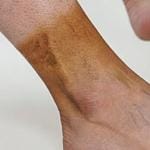
The symptoms of a DVT include redness, swelling, and pain, or may produce no symptoms at all. If you’re diagnosed with a DVT, treatment may include medication that can help dissolve the clot and blood thinners that can help prevent future clots. Your doctor may also suggest other treatments, such as wearing compression stockings especially when flying or driving for long periods.
MORE QUESTIONS? TALK TO A VEIN SPECIALIST TODAY
Medical Emergency Disclaimer
Deep vein thrombosis (DVT) can become life-threatening if a blood clot travels to the lungs, causing a pulmonary embolism. If you experience sudden shortness of breath, chest pain, coughing up blood, or rapid heartbeat, call 911 or seek emergency medical care immediately.
If you have symptoms such as leg swelling, pain, warmth, or discoloration, contact a healthcare provider as soon as possible for evaluation.
DVT Prevention with Vein Treatment
At USA Vein Clinics, we specialize in treating the root of the issue, venous insufficiency, to prevent serious health conditions like DVT. Our experienced physicians and staff will work with you to diagnose and treat your vein issues, designing a treatment plan to address your individual situation. If you have questions about DVT or vein health, contact one of our clinics by calling us at 888.768.3467 to schedule your evaluation today.