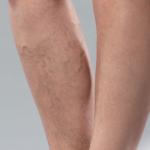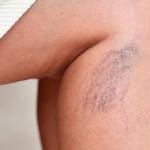

If your ankles feel puffy in summer, your calves feel tight after being outside, or your shoes fit differently by evening, you may be wondering: Do legs swell more in hot weather?
Yes, warm temperatures can make leg swelling, ankle swelling, and foot swelling more noticeable. Heat can affect circulation, increase fluid retention in the lower body, and worsen symptoms tied to vein problems. This type of swelling is often described as edema, which means fluid buildup in body tissues. While occasional mild swelling after a hot day may improve with rest, repeated or worsening swelling may point to an underlying issue such as vein disease.
What Is Edema?
Edema is the medical term for swelling caused by excess fluid collecting in the body’s tissues. It often affects the feet, ankles, calves, and lower legs because gravity naturally pulls fluid downward throughout the day. Many people first notice edema when socks leave deeper marks than usual, shoes feel tighter, or the skin looks puffy by evening.
Mild edema may come and go depending on activity level, weather, or time of day. In other cases, swelling can become more frequent and uncomfortable. Persistent edema may signal an underlying circulation problem rather than a temporary reaction to heat.
Why Do Legs Swell More in Hot Weather?
Hot weather can trigger swelling because blood vessels widen in response to heat. This natural process helps the body cool itself, but it can also slow how efficiently blood returns from the legs to the heart.
When that happens:
- Blood may pool in the lower legs
- Pressure inside veins can rise
- Fluid may leak into nearby tissue
- Existing swelling may worsen
- Leg heaviness and discomfort may increase
This is why many people experience swollen ankles in summer or notice their legs look more swollen at the end of the day.
Common Reasons for Summer Leg Swelling
Heat is only one factor. In many cases, leg swelling develops because several triggers happen at the same time.
- Standing or sitting for long periods can reduce healthy circulation. If your job requires hours on your feet or long stretches at a desk, fluid may collect more easily in the lower legs during hot weather.
- Travel can have a similar effect. Long car rides and flights often involve sitting still for extended periods, which may increase swelling in the feet and ankles.
- Fluid retention can also play a role. High sodium meals, hormonal changes, and some medications may make the body hold onto more fluid, especially during summer months.
- Chronic Venous Insufficiency
Chronic Venous Insufficiency
When vein valves do not work properly, blood can flow backward and pool in the legs. Heat may make symptoms worse.
Common symptoms include:
- Leg swelling
- Aching legs
- Heaviness
- Cramping
- Skin changes
- Visible veins
Varicose Veins
Bulging or twisted veins can be associated with swelling, especially after long days on your feet or during warm weather.
Can Vein Disease Cause Swollen Legs in Summer?
Yes. Vein disease is one of the more common medical causes of recurring leg swelling. Healthy veins use one-way valves to help move blood back toward the heart. When those valves weaken or become damaged, blood can flow backward and pool in the legs. This condition is often called chronic venous insufficiency.
Chronic venous insufficiency may cause swelling, aching, heaviness, throbbing, restless legs, skin changes, or discomfort that worsens later in the day. Warm weather can intensify these symptoms because veins naturally expand in heat.
Varicose veins may also be associated with swelling. While some people think of varicose veins as only a cosmetic concern, they can also reflect underlying circulation issues that deserve evaluation.
TAKE OUR INTERACTIVE QUIZ TO EVALUATE YOUR VEIN HEALTH
Is Hot Weather Leg Swelling Normal?
Mild swelling after a hot day is not unusual, especially if you have been standing, traveling, or inactive for several hours. In many cases, the swelling improves after resting, elevating the legs, or sleeping overnight.
However, frequent swelling should not be dismissed as “just the heat.” If the problem keeps returning or is becoming more noticeable each summer, it may be time to look deeper at the cause.
Swelling that affects only one leg, becomes painful, causes skin color changes, or happens with shortness of breath should be evaluated promptly.
Can Vein Treatment Help Edema and Swollen Legs?
If swelling is linked to vein disease, treating the underlying cause may help reduce recurring edema and improve daily comfort. Modern vein treatments are minimally invasive and performed in an outpatient setting.
Depending on your diagnosis, treatment options may include Endovenous Laser Treatment (EVLT), Radiofrequency Ablation (RFA), VenaSeal™, Sclerotherapy, or Ultrasound-Guided Sclerotherapy. These treatments close damaged veins so blood can reroute through healthier veins with better function.
A vein specialist can recommend the right approach based on your symptoms and ultrasound findings.
Get Help for Swollen Legs at USA Vein Clinics
If your legs swell more in hot weather and the issue keeps coming back, it may be more than a seasonal annoyance. Recurring edema can be a sign of vein disease that often responds to treatment.
USA Vein Clinics offers minimally invasive outpatient care with little to no downtime. Schedule a consultation to learn what may be causing your swelling and what treatment options may help.
Frequently Asked Questions
Why do my legs swell more in summer?
Heat causes blood vessels to widen, which can slow circulation and make fluid collect more easily in the legs and ankles.
Is it normal for ankles to swell in hot weather?
Mild swelling can happen in hot weather, especially after standing or sitting too long. Frequent or worsening swelling should be evaluated.
Can dehydration cause swollen legs?
Dehydration can affect circulation and fluid balance, which may contribute to swelling in some people.
Does walking help swollen legs?
Walking may help because calf muscles support blood flow back toward the heart and may reduce fluid buildup in the legs.