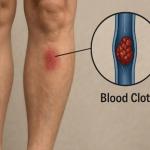
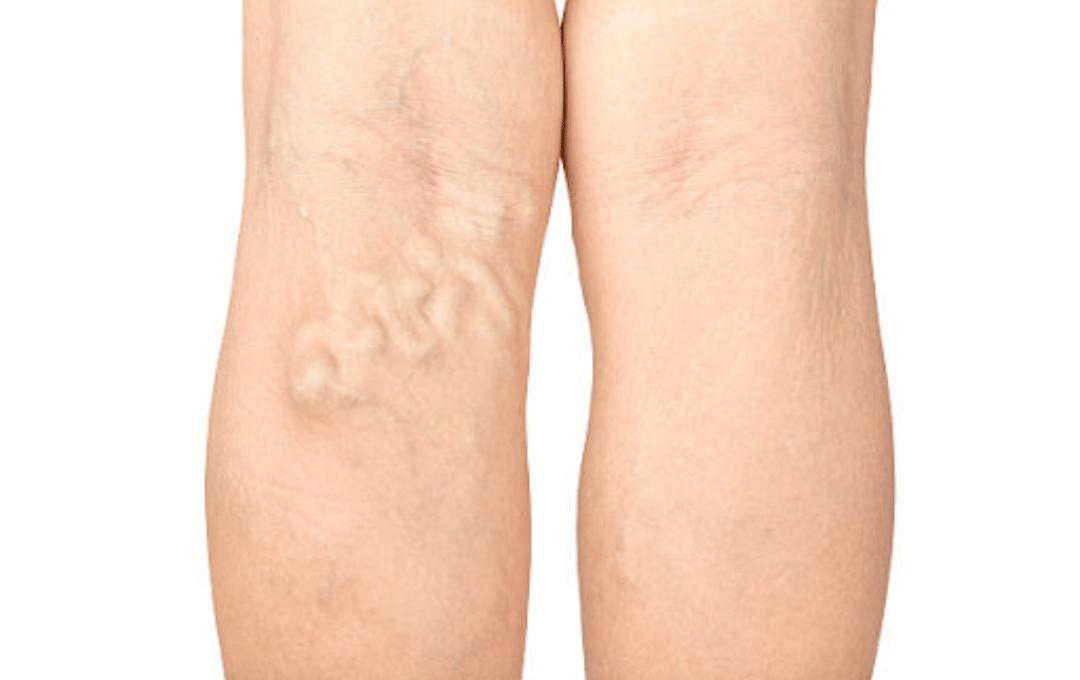
A minor leg cramp or ache can be easy to dismiss as simple muscle fatigue. However, while leg pain is often a result of an injury or overuse, it can also be a warning sign of a blood clot. In its early stages, deep vein thrombosis (DVT) often presents as a common cramp, making it difficult to distinguish blood clot in the leg symptoms from routine muscle strain without a professional evaluation.
Because early symptoms can be subtle, up to 300 thousand people a year die from blood clots like DVT.¹ Many patients mistake signs of the clot as signs of aging or injury; however, as many as 40% of patients may not experience acute signs of DVT until it progresses into a pulmonary embolism (PE)2 – a life-threatening emergency where the clot travels to the lung. Recognizing the early-stage DVT symptoms in the leg isn’t just about relieving discomfort; it’s critical in preventing severe complications.
What Are the Early-Stage Symptoms of DVT?
Because DVT can progress rapidly and without warning, early intervention is the most effective way to prevent a life-threatening complication. You should seek immediate medical attention if you are experiencing the following changes in your leg that don’t resolve with rest, especially if only one side of the body is affected:
Unexplained Leg Cramping
While leg cramps in the calves are often attributed to dehydration or muscle fatigue, they can also be a sign of early-stage DVT. When a blood clot obstructs a vein, it prevents blood from returning to the heart. The backup causes the vein to swell and the surrounding tissue to become inflamed, resulting in cramping that won’t resolve with rest.
Swelling and Tenderness
In early-stage DVT, swelling occurs where the blood clot has formed, and often affects the entire limb. As blood pools in the legs, it seeps into the surrounding tissues, making the affected area feel tender.
Redness or Skin Discoloration
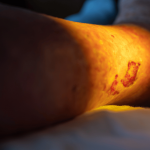
A red, blue, or purple patch on your leg often indicates a developing clot, especially if it accompanies cramping and swelling. Our vein specialists emphasize that these changes frequently indicate advanced chronic venous insufficiency or vein disease, which requires immediate attention.
Warmth in the Affected Area
When an area of your skin feels significantly hotter than the surrounding tissue, it often signals early-stage DVT. The warmth is caused by local inflammation and impaired blood flow. You may notice that this warm patch of skin may also appear swollen and feel tender to the touch.
Varicose Veins
While varicose veins, those bulging, twisted veins in the legs, are not directly caused by DVT, they can be a sign of an increased risk of blood clots. Varicose veins are also a sign of chronic venous insufficiency (CVI), where stagnant blood flow makes blood cells more likely to stick together and form a clot.
If you are experiencing common signs of CVI, such as pain, swelling, fatigue, or a heavy sensation in the legs, our symptoms quiz can help you determine if you should seek a consultation for an accurate diagnosis.
5 Questions to Evaluate Vein Health
How to Tell If It’s a Blood Clot or Just Leg Pain
Early-stage blood clot symptoms in the leg may feel similar to a pulled muscle; however, the pain will persist and worsen over time. If leg pain is also accompanied by localized swelling on one side and skin that feels red or warm to the touch, it’s recommended to seek medical attention promptly.
What Causes DVT in the Leg?
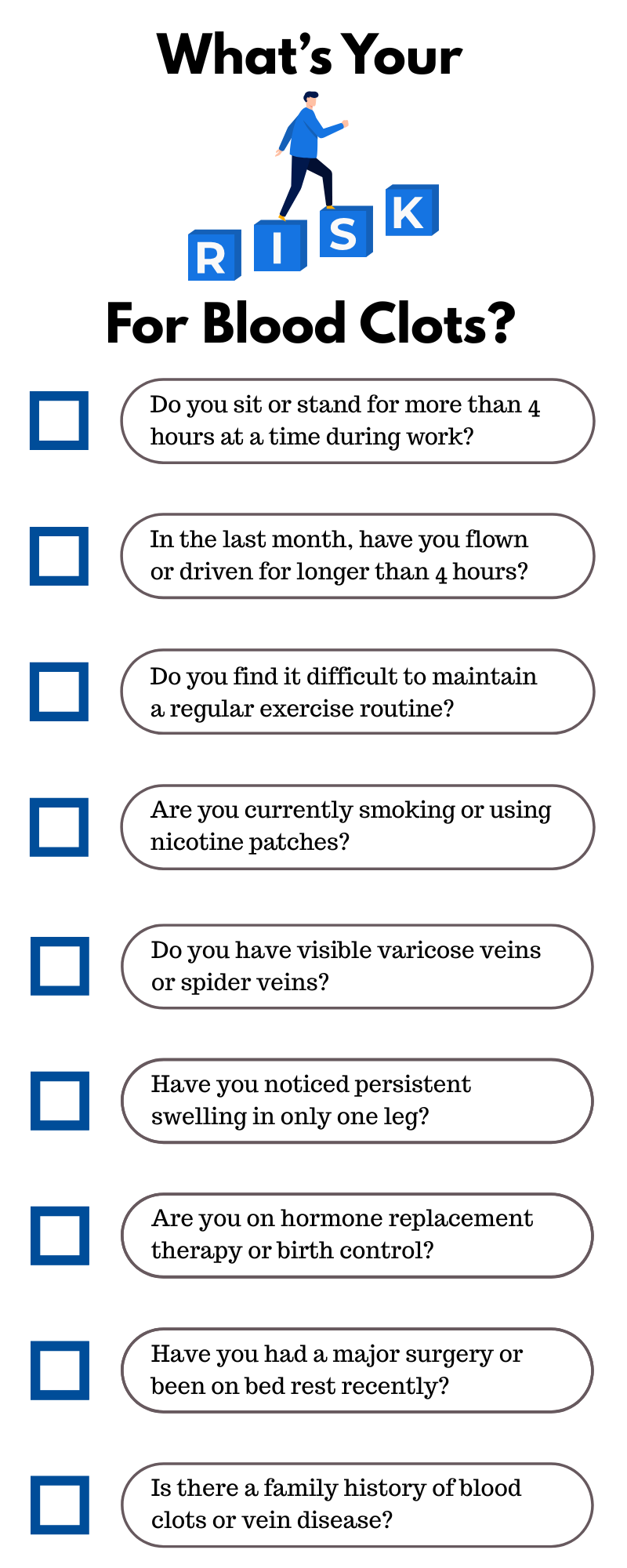
To understand your risk for DVT, vein doctors look at three specific factors known as Virchow’s Triad. When these three conditions overlap, the risk of a blood clot increases significantly:
- Reduced blood flow: Prolonged sitting, whether it’s from long-distance travel, hospitalization, or desk jobs, can stagnate blood flow.
- Tendency to clot: Smoking, chronic inflammation, hormone medications, pregnancy, and a family history of blood clots or vein disease can increase the risk of blood clotting.
- Injuries: Trauma or recent surgery that affect veins can increase DVT risk.
Chronic venous insufficiency shares similar risk factors to DVT, which is why vein treatment centers like USA Vein Clinics use advanced imaging to rule out DVT before addressing varicose veins.
From Diagnosis to Long-Term Prevention for Early DVT Symptoms in the Leg
If you are experiencing symptoms of DVT in the leg or have high-risk factors, our physicians at USA Vein Clinics prioritize a swift and accurate diagnostic process. We use several non-invasive and advanced methods to rule out or confirm DVT, ensuring you receive the correct level of care immediately:
Step 1: Diagnosis
Doctors use multiple methods to accurately diagnose or rule out DVT, including:
- Physical Exam & History: A specialist will evaluate visible signs like unilateral swelling and review your medical history for risk factors.
- D-Dimer Blood Test: This simple test helps rule out active clotting; low levels are a strong indicator that a significant clot is not present.
- Duplex Ultrasound: This is the “gold standard” for DVT. It uses sound waves to “map out” your veins and provides a real-time view of your blood flow.
- Venography: In specific cases, a specialized dye is used with X-ray imaging to visualize exactly how blood is moving through the veins.
Step 2: Immediate & Long-Term Care
Treatment for DVT can vary depending on the severity of the clot.
- Acute Treatment: Once a diagnosis is confirmed, the primary goal of treatment is to stop the clot from causing further harm. Most cases are managed with anticoagulants (blood thinners). This medication prevents the clot from growing, allowing your body to naturally dissolve the blockage while significantly lowering the risk of a pulmonary embolism.
- Note: If your symptoms — such as chest pain, shortness of breath, or intense leg pain — develop and worsen rapidly, do not wait for an appointment. Seek immediate care at an emergency room or urgent care facility.
- Ongoing Prevention at USA Vein Clinics: While USA Vein Clinics does not provide emergency treatment for DVT, our vein specialists play a vital role in your long-term recovery and prevention strategy. Once an active clot is ruled out or stabilized, we focus on the underlying causes of vein disease, such as chronic venous insufficiency, which may increase the risk of blood clots.
By improving blood flow and addressing vein dysfunction, treatment may help reduce symptoms like leg swelling and fatigue and support long-term vein health.
Learn More About These Treatments
How to Prevent Deep Vein Thrombosis (DVT)

Preventing DVT requires a two-pronged approach: managing your daily habits and addressing the health of your vascular system.
Lifestyle Adjustments
- Avoid being sedentary: If you sit or stand for hours at a time or travel frequently, get up to walk around or stretch every hour.
- Get regular exercise: Exercise improves blood circulation and helps to keep veins healthy.
- Drink plenty of fluids: Drinking water can keep your blood flowing freely and prevent it from becoming sticky and sluggish, which can lead to clot formation.
- Maintaining a healthy weight: If you’re overweight, losing weight can also help prevent issues with high blood pressure, slow circulation, and vein damage.
Medical Prevention and Vein Health
Your risk of developing a blood clot is influenced by the health of your veins. Regular vein health check-ups are a great way to identify an increased risk for DVT and receive a personalized treatment plan.
Patients with varicose veins — a sign of vein disease — are over five times as likely to develop DVT in the leg. Since vein disease affects each patient differently, vein specialists will use evidence-based treatment plans designed to address visible veins and alleviate leg pain, swelling, fatigue, and other accompanying symptoms.
Why Patients Trust USA Vein Clinics
Choosing a specialist for your vascular health is a significant decision. We’ve spent over 20 years refining a patient-centered approach that prioritizes your safety and long-term recovery.
- Accredited Excellence: As a leader recognized by the Intersocietal Accreditation Commission (IAC), we adhere to the highest “gold-standard” for vascular testing. This ensures your diagnosis is as accurate as possible before treatment begins.
- Specialized Expertise: Our nationwide network of board-certified specialists focuses exclusively on minimally invasive vein care. We don’t just treat symptoms; we use advanced technology to resolve the underlying causes of vein disease.
- Accessible Care: With over 160 locations, high-quality vein care is likely available right in your community. We’ve helped thousands of patients reclaim their mobility and peace of mind by treating leg pain, swelling, and fatigue at the source.
If you are experiencing leg pain, swelling, and fatigue and are concerned about your risk of DVT, find a vein clinic near you to get the answers you need.
FAQs
What are the first signs of having a blood clot in your leg?
Common first signs of a blood clot in your leg may include unexplained leg cramping, swelling in one leg, and skin that appears red and warm to the touch.
What can be mistaken for a DVT?
DVT can be mistaken for minor injuries, such as muscle strains, cramping, or “charley horses.” However, unlike injuries, DVT symptoms can persist and worsen over time.
Does DVT feel like a pulled muscle?
DVT can feel like a pulled muscle in its early stages. However, as DVT goes untreated, the pain can intensify and cause swelling.
Sources
- National Blood Clot Alliance, “Blood clots in the United States,” https://www.stoptheclot.org/blood-clot-information/blood-clots-in-the-united-states/
- National Institutes of Health, “How to spot and prevent deep vein thrombosis,” News in Health, https://newsinhealth.nih.gov/2017/01/how-spot-prevent-deep-vein-thrombosis