Vein surgery and minimally invasive varicose vein treatment can both address diseased veins, but the treatment experience and recovery process are different. Traditional vein surgery may involve removing or tying off damaged veins. Minimally invasive varicose vein treatment closes the diseased vein without surgically removing it, allowing blood to reroute through healthier veins.
At USA Vein Clinics, we do not perform traditional vein surgery or vein stripping. Our vein specialists treat varicose veins, spider veins, and venous insufficiency with outpatient, minimally invasive procedures.
Understanding the difference between vein surgery and modern vein treatment can help you know what to expect before, during, and after care.
LEARN MORE ABOUT OUR TREATMENTS
What Is Vein Surgery?
Vein surgery is a general term often used to describe procedures that treat varicose veins or damaged leg veins. In traditional medical use, vein surgery may refer to procedures such as vein ligation and stripping. During traditional vein surgery, a damaged vein may be tied off, removed, or treated through surgical incisions. This type of treatment may involve anesthesia, stitches, bandages, and a longer recovery period. While some patients may still require surgical care, many people with varicose veins now qualify for less invasive treatment options.
What Is Minimally Invasive Varicose Vein Treatment?
Minimally invasive varicose vein treatment is designed to close diseased veins without traditional surgery. These treatments are often performed in an outpatient clinic using ultrasound guidance, a small access point, and local numbing medicine.
Instead of removing the vein, the treatment closes the affected vein from the inside. Once the diseased vein is closed, blood naturally redirects through nearby healthy veins. Over time, the treated vein is absorbed by the body.
These treatments may be recommended for varicose veins caused by venous insufficiency, also known as venous reflux. Venous insufficiency happens when vein valves stop working properly, allowing blood to pool in the legs.
Vein Surgery vs. Varicose Vein Treatment
| Comparison Point | Traditional Vein Surgery | Minimally Invasive Varicose Vein Treatment |
|---|---|---|
| How it works | Removes or ties off damaged veins | Closes diseased veins from the inside |
| Incisions | May require surgical incisions | Uses a small needle or catheter access point |
| Anesthesia | May involve general or regional anesthesia | Often uses local numbing medicine |
| Setting | May be performed in a surgical setting | Usually performed in an outpatient clinic |
| Recovery | May involve more downtime and wound care | Many patients return to normal routines quickly |
| Vein removal | Damaged vein may be removed | Treated vein stays in place and is absorbed over time |
| Follow-up | May include incision and healing checks | May include ultrasound follow-up |
What To Expect After Vein Surgery
Recovery after vein surgery depends on the type of procedure, how many veins were treated, your overall health, and your surgeon’s instructions.
After traditional vein surgery, patients may experience:
- Bruising
- Swelling
- Tenderness
- Incision soreness
- Bandages or wound care
- Temporary numbness or tingling
- Activity restrictions
- Compression stocking use
- Follow-up visits
Some patients may need to avoid strenuous exercise, heavy lifting, prolonged standing, or certain daily activities for a period of time after surgery. If incisions were made, your provider may give you instructions for keeping the area clean and monitoring for signs of infection.
Traditional vein surgery can be effective for certain cases, but it is not the only treatment option for varicose veins.
What To Expect After Minimally Invasive Varicose Vein Treatment
Recovery after minimally invasive vein treatment is usually different from recovery after vein surgery. Because the diseased vein is closed through a small access point rather than surgically removed, there is typically less recovery planning.
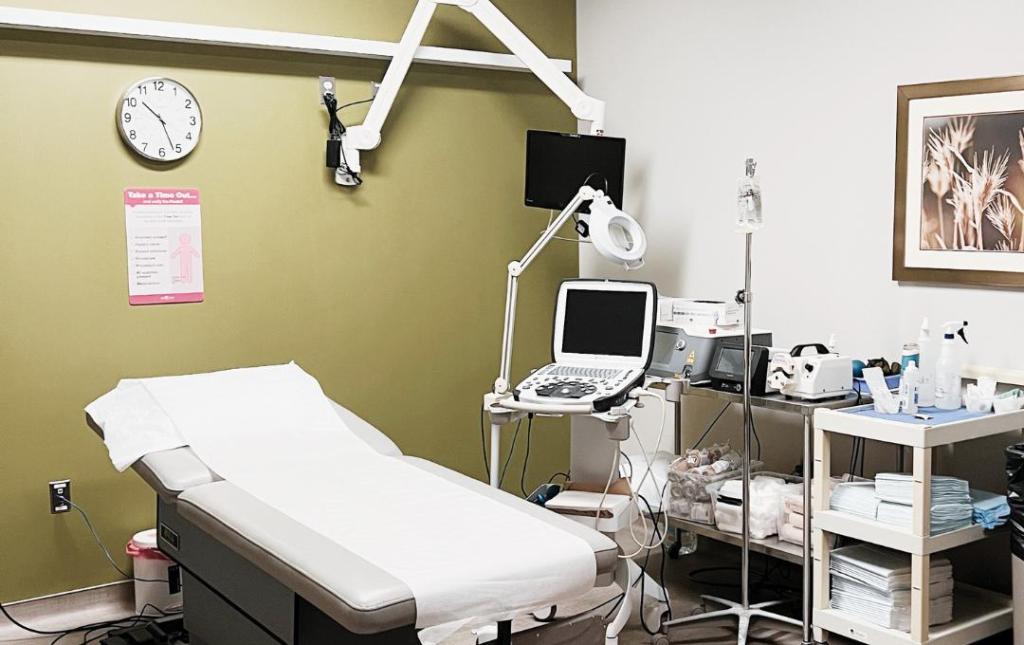
After minimally invasive varicose vein treatment, you may experience:
- Mild bruising
- Minor swelling
- Tenderness near the treated vein
- Tightness or pulling sensations
- Temporary itching
- Skin sensitivity
- Mild discomfort
Many patients are encouraged to walk soon after treatment to support healthy circulation. Your provider may also recommend compression stockings and temporary limits on strenuous exercise.
Your exact recovery will depend on the treatment performed, your vein condition, and your doctor’s aftercare instructions.
Recovery Timeline: Vein Surgery vs. Varicose Vein Treatment
Same Day
After vein surgery:
You may need time to recover from anesthesia or sedation. Bandages, incision care, and activity restrictions may be part of your immediate recovery instructions.
After minimally invasive varicose vein treatment:
Most patients can walk shortly after treatment. The procedure is typically performed in an outpatient setting, and many patients resume light daily activities quickly.
First Few Days
After vein surgery:
Bruising, swelling, soreness, and incision discomfort may be more noticeable. You may need to limit physical activity and follow wound-care instructions.
After minimally invasive varicose vein treatment:
You may have mild bruising, tightness, tenderness, or pulling near the treated vein. Walking is often encouraged, while heavy exercise may be limited for a short time.
First Week
After vein surgery:
You may still have swelling, bruising, or incision soreness. Your provider may recommend compression stockings and continued activity restrictions.
After minimally invasive varicose vein treatment:
Many patients return to normal routines during this period, depending on their provider’s guidance. Compression stockings may be recommended to support circulation.
First Month
After vein surgery:
Healing continues. Your provider may check incision sites, bruising, swelling, and overall symptom improvement.
After minimally invasive varicose vein treatment:
Your vein specialist may schedule a follow-up ultrasound to confirm that the treated vein has closed. Some patients need more than one treatment session, especially if multiple veins are affected.
Several Months After Treatment
After vein surgery:
Visible vein appearance and symptoms may continue improving as the body heals.
After minimally invasive varicose vein treatment:
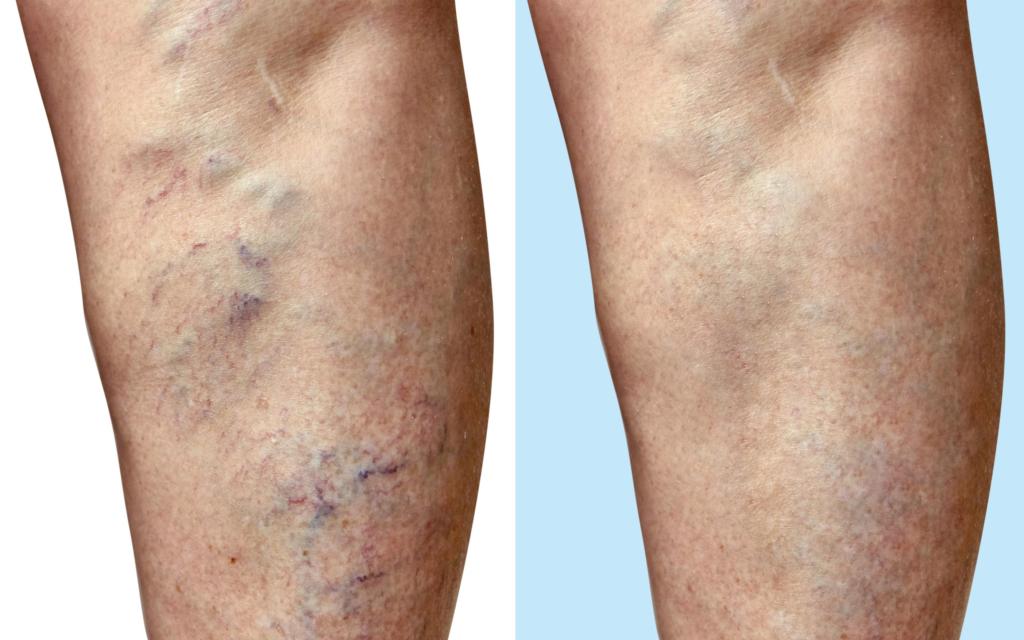
The closed vein is gradually absorbed by the body. Symptoms such as leg heaviness, aching, swelling, and fatigue may continue to improve as blood flows through healthier veins.
Around this time, you may also notice:
- Less leg pain and swelling, if any
- Fewer leg cramps, if any
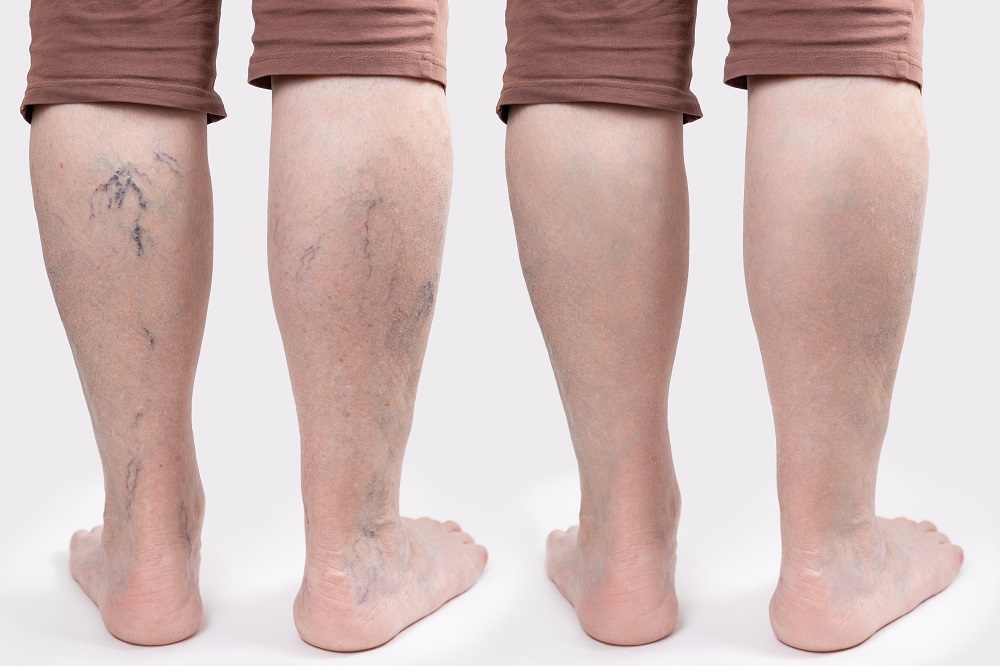
- Reduced appearance of varicose veins
- Resolution of skin related issues such as itching and venous ulcers
- Legs that feel lighter
Why USA Vein Clinics Does Not Perform Traditional Vein Surgery
USA Vein Clinics focuses on minimally invasive vein treatments because many patients with varicose veins and venous insufficiency do not need traditional surgical vein removal.
Our approach is designed to:
- Treat diseased veins without surgical vein stripping
- Use ultrasound guidance when appropriate
- Close damaged veins through a small access point
- Help blood reroute through healthier veins
- Provide outpatient treatment options
- Support a return to daily routines for many patients
A vein specialist can determine whether minimally invasive treatment may be appropriate after reviewing your symptoms, medical history, and ultrasound results.
Explore these testimonials of real patients who have received varicose vein treatment at USA Vein Clinics.
Minimally Invasive Varicose Vein Treatments at USA Vein Clinics
USA Vein Clinics offers several minimally invasive treatments for varicose veins, spider veins, and venous insufficiency. Your provider will recommend a treatment plan based on your diagnosis and ultrasound findings.
Endovenous Laser Therapy, or EVLT
EVLT uses laser energy to heat and close a diseased vein from the inside. The treatment is performed through a small access point and guided by ultrasound.
Radiofrequency Ablation, or RFA
RFA uses radiofrequency energy to close a damaged vein. It is commonly used to treat venous reflux in certain larger superficial veins.
VenaSeal™
VenaSeal uses a medical adhesive to close the affected vein. It may be recommended depending on the vein being treated and your provider’s evaluation.
Varithena®
Varithena is a foam treatment used to close certain varicose veins. It may be an option for veins that are not ideal for heat-based treatment.
ClariVein®
ClariVein combines mechanical action with a sclerosant medication to close a diseased vein.
Ultrasound-Guided Sclerotherapy
Ultrasound-guided sclerotherapy uses imaging to guide a sclerosant medication into targeted veins below the skin’s surface.
Visual Sclerotherapy
Visual sclerotherapy is often used for visible spider veins and smaller surface veins. A sclerosant solution is injected into the vein, causing it to close over time.
Tips for Managing Your Vein Health After Treatment
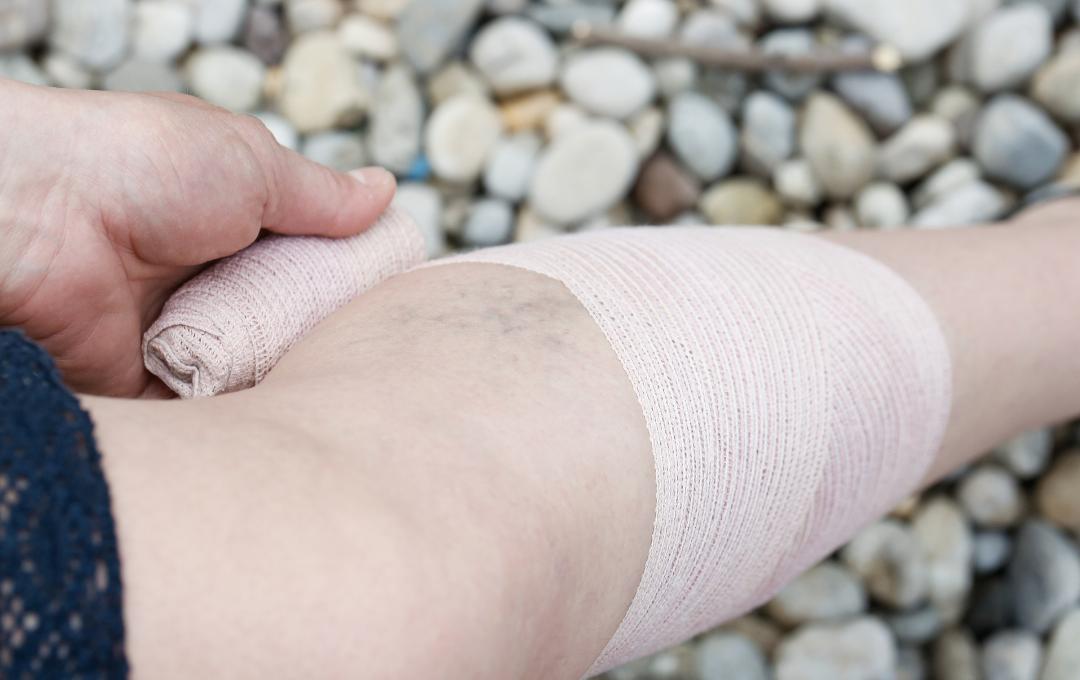
To avoid varicose veins from returning, here are some tips to help you manage your vein health after treatment:
Use compression stockings as prescribed. Compression stockings can help relieve post-treatment side effects and assist in healing because they promote blood flow in your legs.
Eat a healthy diet. Foods that are rich in nutrients can help you prevent high blood pressure, strengthen the walls of the veins, and avoid cell damage, which in turn prevents varicose veins from forming.
Exercise regularly. Walking improves blood circulation and helps with pain relief. Yoga is another great exercise with similar effects. Avoid any strenuous exercises and lifting over 20 pounds unless your doctor approves it.
Avoid air travel. Sitting on a plane for long hours can cause blood to pool in the leg veins, which can cause more varicose veins to form.
Avoid sedentary activities. Sitting or standing for a long time can cause pressure in your leg veins. If you have a sedentary job, move around periodically for a couple of minutes.
Get regular screening tests for varicose veins. Get regular screenings for varicose veins or as prescribed by your doctor to check for varicose vein recurrence.
With a better understanding of what to expect after your varicose vein procedure, you can anticipate a smoother recovery. Thanks to the technology at USA Vein Clinics, vein procedures are a much easier and less painful experience than they were ten years ago.
If you need to schedule your follow-up appointment or regular screening appointment, call us at 888.768.3467 or schedule online.