
Medically reviewed by
Dr. Yan Katsnelson, MD
Cardiovascular Surgeon
Vein disease affects millions of adults in the United States and is one of the most common causes of leg pain, swelling, heaviness, and visible varicose veins. USA Vein Clinics offers a full range of minimally invasive vein treatments, including EVLT, RFA, VenaSeal™, Varithena, Clarivein® and ultrasound-guided sclerotherapy (and sclerotherapy for spider veins), each designed to close the affected vein and relieve symptoms without surgery or a hospital stay.
When left untreated, varicose veins can cause venous stasis dermatitis and ulceration (reddish-brown pigmentation, swelling, and leathery skin), leading to DVT. Vein treatments vary based on diagnosis but understanding the types of vein treatments are available can help you understand your next steps. Let’s explore non-surgical vein treatment options.
Schedule A Consultation Online
Most Insurances Accepted
Quick Facts
- All USA Vein Clinics procedures are minimally invasive, outpatient, and performed without general anesthesia
- Most procedures take under an hour, with same-day return to light activity
- Most major insurance plans, including some Medicare and Medicaid, cover treatment when medical necessity is confirmed by ultrasound
- Vein disease is progressive, so earlier evaluation typically means simpler treatment and faster relief
What Is Vein Disease and How is Treated?
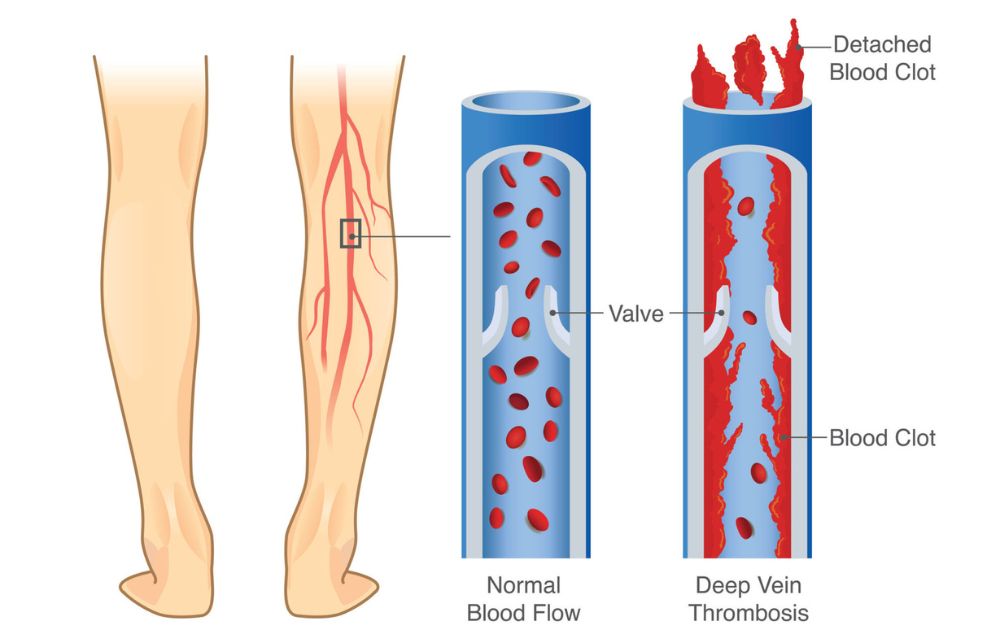
Vein disease is also known as chronic venous insufficiency (CVI). It happens when the valves in the veins weaken or fail. This causes blood to pool in the legs instead of flowing back to the heart the way it should. As pressure builds over time, vein disease can lead to symptoms such as varicose veins, spider veins, leg pain or aching, venous ulcers, swelling in the legs or ankles, heaviness or fatigue, and skin changes or discoloration. In rare cases, severe venous disease may contribute to deep vein thrombosis (DVT), a serious blood clot that needs immediate medical attention.
Modern vein disease treatment has evolved away from older, invasive surgical procedures like vein stripping. Today, chronic venous insufficiency (CVI) and varicose veins are treated using minimally invasive, non-surgical outpatient procedures performed under local anesthesia.
The primary goal of all modern vein treatments is simple: seal or collapse the damaged, leaking veins. Once the diseased vein is closed, blood naturally reroutes to nearby, healthy veins higher in the leg, restoring efficient circulation to your heart.
Vein Conditions We Treat
Our experienced vein specialists provide relief for a wide range of vein-related conditions, including:
- Varicose Veins – Enlarged, twisted veins that may cause pain, swelling, or complications
- Spider Veins – Small red, blue, or purple veins visible on the skin’s surface
- Restless Leg Syndrome (RLS) – Nighttime leg discomfort often associated with vein disease
- Venous Ulcers – Slow-healing sores typically found near the ankles
- Leg Swelling (Edema) – Fluid buildup caused by poor venous circulation
Today’s minimally invasive vein procedures are the result of decades of medical innovation. Explore the history of vein therapy to see how diagnosis and treatment have progressed from early surgical approaches to modern outpatient care.
Who Is a Candidate for Vein Treatment?
Vein treatment may be right for you if you experience any of the following:
- Visible varicose veins or spider veins
- Leg pain, aching, heaviness, or cramping, especially after prolonged standing or sitting
- Swelling in the legs, ankles, or feet
- Skin discoloration or thickening near the ankles
- Restless leg syndrome with no other identified cause
- A slow-healing wound on the lower leg or ankle
- A personal or family history of vein disease
- A job that requires long periods of standing, such as nursing, teaching, or retail work
- Pregnancy-related vein changes
You do not need to wait until your symptoms become severe. Early intervention produces the best outcomes, and most vein treatments are covered by major insurance plans when clinical criteria are met.
Vein Treatments and Procedures
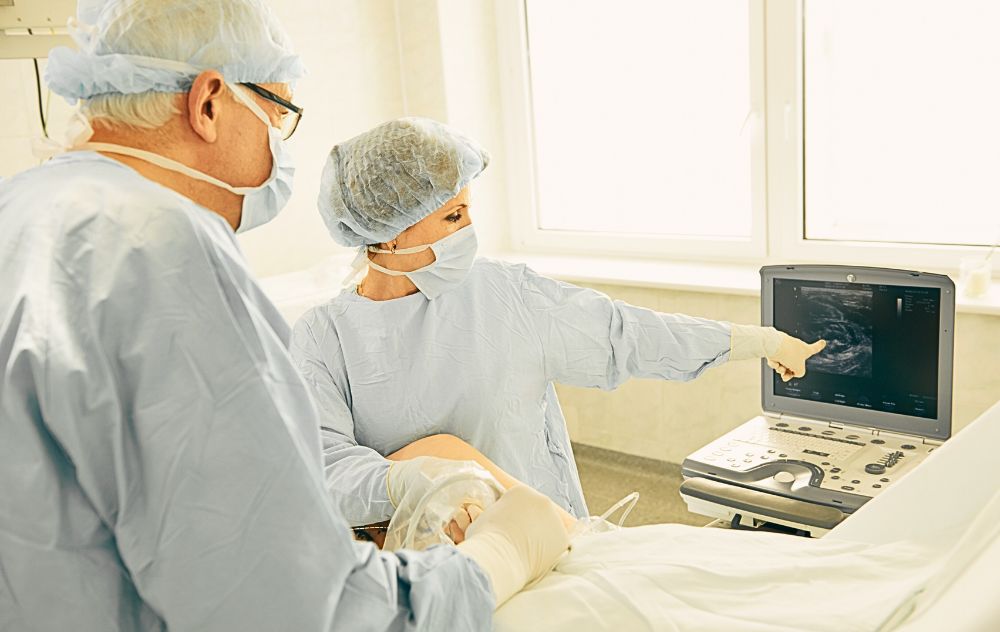
USA Vein Clinics’ non-surgical treatments for vein disease typically take less than an hour. A vein specialist uses ultrasound guidance to target the affected vein and close it off. Blood then naturally reroutes through healthier veins nearby, improving circulation and relieving symptoms.
Primary Vein Treatment Types:
- Thermal Ablation (EVLT / RFA): Uses laser or radiofrequency heat delivered via catheter to seal larger diseased veins.
- Sclerotherapy & Microfoam (Varithena): Injects a specialized liquid or foam solution to collapse small-to-medium varicose veins and spider veins.
- Medical Adhesive (VenaSeal): Uses a vascular glue to seal diseased vein walls without heat or tumescent anesthesia.
What is the most effective vein treatment? No single treatment works best for everyone. EVLT, RFA, and VenaSeal are often used for larger veins with confirmed reflux. Varithena and ultrasound-guided sclerotherapy are often used for medium or smaller veins. A vein specialist finds the best fit after a duplex ultrasound.
Our Vein Procedures
Endovenous Laser Therapy (EVLT)
- Purpose: Treats varicose veins and chronic venous insufficiency. This includes venous ulcers, edema from vein disease, and restless leg syndrome linked to circulation issues.
- How It Works: A laser fiber is inserted into the vein. It delivers energy that closes off the affected vein and redirects blood flow to healthier veins. This can reduce venous pressure that prevents ulcers from healing.
- Recovery: Minimal downtime, with potential bruising or soreness.
ClariVein® Treatment
- Purpose: Treats varicose veins.
- How It Works: Combines mechanical and chemical ablation.
- Recovery: Quick procedure with minimal downtime.
Varithena Vein Treatment
- Purpose: Treats varicose veins.
- How It Works: A foam sclerosant is injected into the vein under ultrasound guidance.
- Recovery: Minimal downtime, may require multiple sessions.
VenaSeal™ Treatment
- Purpose: Closure of varicose veins.
- How It Works: A medical adhesive is used to close the vein.
- Recovery: No need for compression stockings post-procedure, minimal downtime.
Radiofrequency Ablation (RFA) Treatment
- Purpose: Treats varicose veins and edema from vein disease.
- How It Works: A catheter is inserted into the vein, and radiofrequency energy heats and closes the vein.
- Recovery: Quick recovery, minimal pain.
Ultrasound-Guided Sclerotherapy
- Purpose: Treats moderate to severe varicose veins and venous insufficiency, including veins near ulcer sites.
- How It Works: Ultrasound guides injection of a sclerosant into the vein. This causes the vein to collapse and redirects blood flow to healthy veins nearby. It works well for branching or twisted veins.
- Recovery: Minimal discomfort, no scarring. Most patients resume light activity the same day.
Visual Sclerotherapy
- Purpose: Treats small to medium-sized varicose and spider veins.
- How It Works: A solution is injected into the vein, causing it to scar and close, with blood rerouting through healthier veins.
- Recovery: Minimal downtime, some bruising and swelling may occur.
Our 4-Step Approach to Vein Treatment
At USA Vein Clinics, we believe effective treatment starts with accurate diagnosis. Every patient gets a structured, evidence-based evaluation before any procedure is recommended, because treating the right vein with the right technique is what delivers lasting results for the individual.
Step 1: Comprehensive Duplex Ultrasound Evaluation
Your journey begins with a duplex ultrasound. This is a non-invasive imaging study that lets our vascular specialists see blood flow in real time. This exam is the foundation of accurate vein diagnosis. It allows us to:
- Identify specific veins with valve dysfunction (venous reflux)
- Map the full extent of vein disease, including veins not visible from the surface
- Measure how severe the venous insufficiency is
- Rule out deep vein thrombosis (DVT) or other vascular conditions
- Build a precise, personalized treatment plan based on your anatomy
This diagnostic accuracy is what separates targeted, effective care from guesswork.
Step 2: Personalized Treatment Planning
Based on your ultrasound findings, your vascular specialist designs a treatment plan for your condition, symptoms, and lifestyle. We explain all recommended options, discuss expected outcomes, and answer every question before moving forward. You are a full partner in every decision.
Step 3: Minimally Invasive Treatment
Using your ultrasound as a live guide, our specialists perform precise, minimally invasive procedures to close diseased veins and restore healthy circulation. All procedures happen in-office, need no general anesthesia, and are usually done in under an hour. Our minimally invasive approach means:
- Minimal discomfort during and after treatment
- Most patients return to daily activities within 24 to 48 hours
- No hospital stay or general anesthesia required
- Lower complication risk compared to traditional vein surgery
- High long-term success rates with lasting symptom relief
Step 4: Follow-Up Care and Monitoring
Healing doesn’t stop when you leave the clinic. We schedule follow-up ultrasound evaluations to confirm the vein has closed, check your healing progress, and watch for any complications. For patients with more extensive vein disease, staged treatment sessions may be recommended to address all affected veins over time, so relief is complete and lasting.
For our advice on getting ready for your appointment, read our guide on preparing for your visit.
What to Expect at Your Vein Appointment
Your Initial Consultation
Your first appointment at USA Vein Clinics is a thorough, unhurried evaluation. Your vascular specialist will:
- Review your medical history, current symptoms, and any prior treatments
- Perform a physical examination of your legs and veins
- Order a duplex ultrasound to map your venous anatomy
- Explain your diagnosis in plain language
- Walk you through recommended treatment options and what to expect
- Answer all of your questions, with no pressure to proceed at your first visit
Preparing for Your Visit
For helpful tips on what to bring and how to prepare, read our complete guide on preparing for your vein appointment.
On the Day of Your Procedure
Most procedures are scheduled at a separate visit from your initial consultation. Plan to:
- Wear loose, comfortable clothing, particularly loose pants or shorts for leg access
- Bring compression stockings if you have them (we can provide a pair if needed)
- Arrange a driver only if your care team specifically recommends it, since most patients drive themselves
- Allow 30 to 60 minutes for the procedure itself
- Plan to walk for 15 to 30 minutes immediately after treatment to support healthy circulation
What to Expect After Vein Treatment
Most patients notice meaningful improvement in their symptoms within days to weeks of treatment. The benefits extend well beyond appearance. Effective vein treatment can restore your ability to move, work, and enjoy daily life without pain.
Patients commonly report:
- Significant reduction or elimination of leg pain, aching, and cramping
- Noticeably less swelling in the legs and ankles
- Reduced heaviness and fatigue, especially after standing or long days
- Improved ability to walk longer distances and stand for extended periods
- Better sleep, including reduced restless leg symptoms
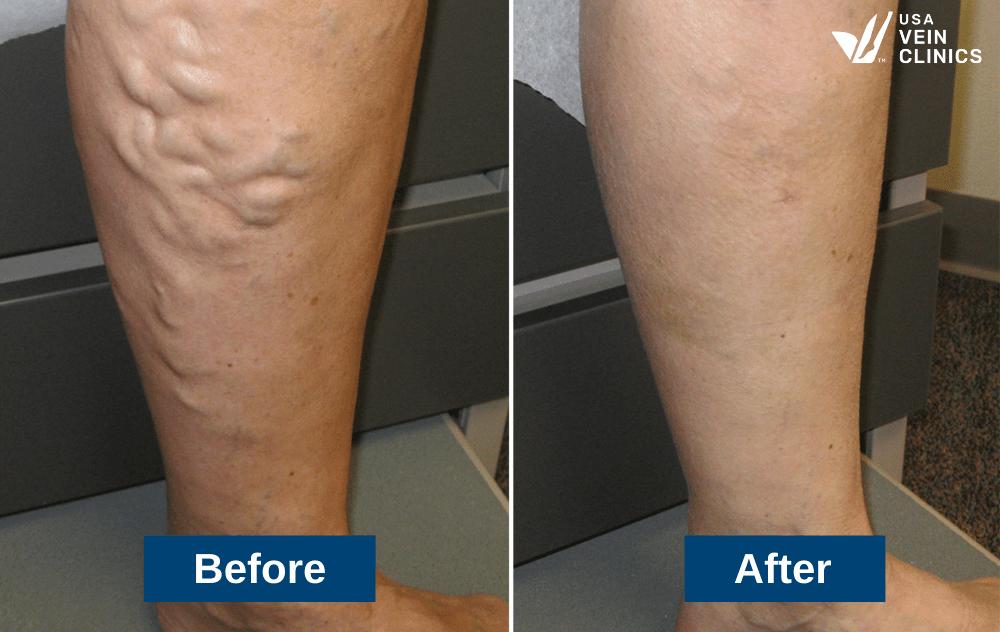
- Visible improvement in the appearance of varicose and spider veins
- Faster healing of venous ulcers when treated early
- Reduced risk of serious complications, including DVT and venous ulcers
- Overall improved quality of life and renewed confidence
“I waited years thinking it was just cosmetic. After treatment, the pain and swelling I thought I had to live with were gone within weeks. I wish I had come in sooner.” – USA Vein Clinics Patient
Benefits of Vein Treatment
After vein treatment, you can look forward to:
- Less pain, if any
- Less swelling, if any
- The ability to stand for longer periods of time
- The ability to walk greater distances
- Reduced risk of serious venous complications
- Decreased vein visibility
- Improved quality of life
Why Patients Choose USA Vein Clinics
With locations across the United States, USA Vein Clinics is one of the nation’s largest and most experienced providers of minimally invasive vein care. Here’s what sets us apart:
- Experienced, Credentialed Vascular Specialists: All treatments are performed by qualified vein physicians, not assistants or technicians
- Ultrasound-Guided Precision: Every treatment plan begins with diagnostic imaging. We treat the cause, not just the symptoms
- No Surgery. No Hospital. No General Anesthesia: All procedures are in-office, outpatient, and minimally invasive
- Most Insurance Accepted: We work directly with your insurance carrier so you can focus on getting better
- Locations Nationwide: With clinics across the country, expert vein care is closer than you think
- Patient-First Care: We take the time to listen, explain, and involve you fully in every care decision
Not sure what to look for in a vein specialist? Learn what makes a vein clinic the best and the key qualities to consider when choosing where to receive care.
Ready to Get Started
Ready to Find the Right Vein Treatment for You?
Visiting a vein specialist is the best way to know if vein treatment is right for you. At USA Vein Clinics, our expert vein doctors can diagnose your condition and help you choose a treatment plan that addresses your individual needs.
- National Center for Biotechnology Information (NCBI). “Chronic Venous Insufficiency: A Review.” National Institutes of Health.
- Journal of Vascular Surgery. “Long-Term Outcomes of Endovenous Ablation for Great Saphenous Vein Reflux.”
- U.S. Food and Drug Administration. “VenaSeal Closure System – Premarket Approval Summary.”
Medical disclaimer: This article provides educational information about vein disease and treatment options. It is not a diagnosis or medical advice. Only a qualified vein specialist can determine whether you have vein disease or recommend appropriate treatment. If you have leg swelling, pain, or other vascular symptoms, consult a healthcare provider or contact USA Vein Clinics for an evaluation.