
Leg swelling, also known as lower-extremity edema, is a common symptom that can develop gradually or appear suddenly. While occasional swelling after long flights or standing for extended periods can be normal, persistent leg swelling may indicate an underlying vascular condition such as chronic venous insufficiency or advanced varicose veins. Understanding why leg swelling occurs and when to seek treatment can help improve mobility, comfort, and long-term health.
What Leg Swelling Feels Like
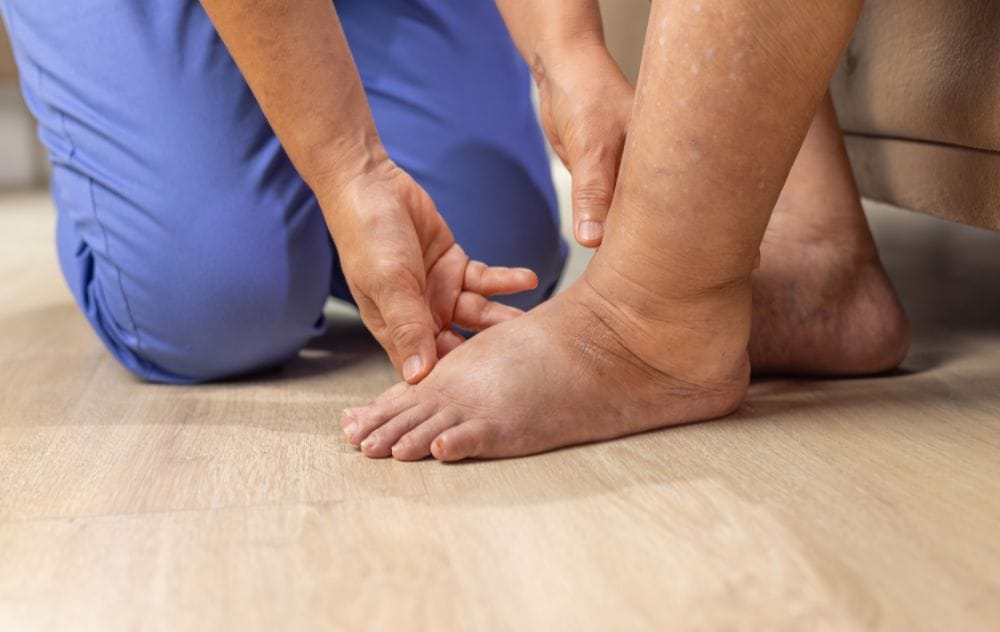
Patients may experience swelling in one or both legs, often accompanied by heaviness, aching, or tightness. Shoes and socks may feel tighter than usual, and impressions on the skin from socks or footwear may linger longer. In some cases, the swelling may worsen throughout the day and improve overnight when the legs are elevated.
Common Symptoms Associated with Leg Swelling
Persistent leg swelling can appear alone or in combination with other symptoms, including:
• Heaviness or fatigue in the legs
• Aching or throbbing pain
• Restlessness or discomfort at night
• Skin discoloration or texture changes
• Itching or tingling sensations
• Visible varicose or spider veins
• Cramping, especially in the calves
• Thickened or hardened skin in advanced cases
Potential Causes of Leg Swelling
Leg swelling has many causes, ranging from temporary lifestyle-related factors to chronic medical conditions. Frequent contributors include:
• Chronic Venous Insufficiency (CVI): A condition in which vein valves fail to return blood to the heart efficiently, leading to fluid build-up in the legs.
• Varicose Veins: Enlarged, dysfunctional veins that impair healthy circulation.
• Prolonged Standing or Sitting: Sedentary behavior can slow blood flow and increase swelling.
• Pregnancy: Increased blood volume and hormonal changes can strain veins.
• Injury or Trauma: Localized swelling can develop after sprains, strains, or surgery.
Less common but medically serious causes of leg swelling include blood clots, heart failure, kidney disease, and lymphatic disorders. Evaluation from a medical professional can help determine the correct diagnosis and appropriate care plan.
When to Seek Medical Evaluation
You should seek medical attention if you experience:
• Swelling in one leg with pain, warmth, or redness
• Sudden, unexplained swelling
• Swelling that worsens over time or becomes chronic
• Visible varicose veins with discomfort or heaviness
• Skin changes such as darkening, thickening, or ulceration
These may be signs of vascular disease, inflammation, or circulation issues that require treatment to prevent progression.
Leg Swelling vs. Edema in Relation to Vein Disease
Leg swelling and edema are closely related, but the terms are not fully interchangeable. Leg swelling is the visible or physical enlargement of the lower limbs, while edema refers specifically to the underlying medical process causing that swelling — the accumulation of excess fluid in the tissues.
In the context of vein disease, this fluid buildup often results from chronic venous insufficiency (CVI), a condition in which weakened or damaged valves in the leg veins fail to circulate blood back to the heart effectively. As pressure builds inside the veins, fluid leaks into surrounding tissues, leading to edema that becomes noticeable as leg swelling. Symptoms may worsen throughout the day, especially after prolonged sitting or standing, and may improve with leg elevation or compression.
Understanding the distinction helps distinguish cosmetic swelling from a potential vascular issue. If leg swelling is caused by venous edema, it may signal underlying vein disease that can progress without treatment. Early evaluation can help prevent complications such as skin discoloration, pain, hardening of the skin, or venous ulcers.
How USA Vein Clinics Can Help
USA Vein Clinics specializes in diagnosing and treating vein disease that contributes to chronic leg swelling. Our board-certified vein specialists use duplex ultrasound to assess venous circulation and identify issues such as CVI or varicose veins. If vein disease is present, we offer minimally invasive, outpatient procedures designed to improve blood flow, reduce swelling, and relieve discomfort.
Minimally Invasive Treatment Options
Our treatments require no hospitalization and allow most patients to resume normal activities shortly after. Options may include:
• Endovenous Laser Treatment (EVLT)
• Ultrasound-Guided Sclerotherapy
• ClariVein
• VenaSeal
• Radiofrequency Ablation (RFA)
• Varithena
These procedures close diseased veins, redirect blood flow, and help alleviate symptoms such as swelling, heaviness, and pain.
Outlook and Prevention
With proper diagnosis and treatment, many patients experience significant reduction in swelling and improved quality of life. To support vascular health, patients are often encouraged to stay active, maintain a healthy weight, elevate their legs when possible, and wear compression stockings if recommended by their physician.
Schedule an Evaluation
If you are experiencing leg swelling, heaviness, or discomfort, our team can help identify the cause and offer an effective treatment plan. Find a USA Vein Clinics location near you or schedule your consultation online today.
Schedule a Consultation Online 24/7
Most insurances accepted and financing options available