For the 23% of US adults affected by varicose veins, understanding the available treatment options is key to finding relief from the symptoms of vein disease.¹
At USA Vein Clinics, we offer a variety of minimally invasive treatments that target and close off problematic veins, allowing blood to flow through healthier veins and providing significant symptom relief.
SCHEDULE YOUR CONSULTATION ONLINE
Varicose Vein Diagnosis
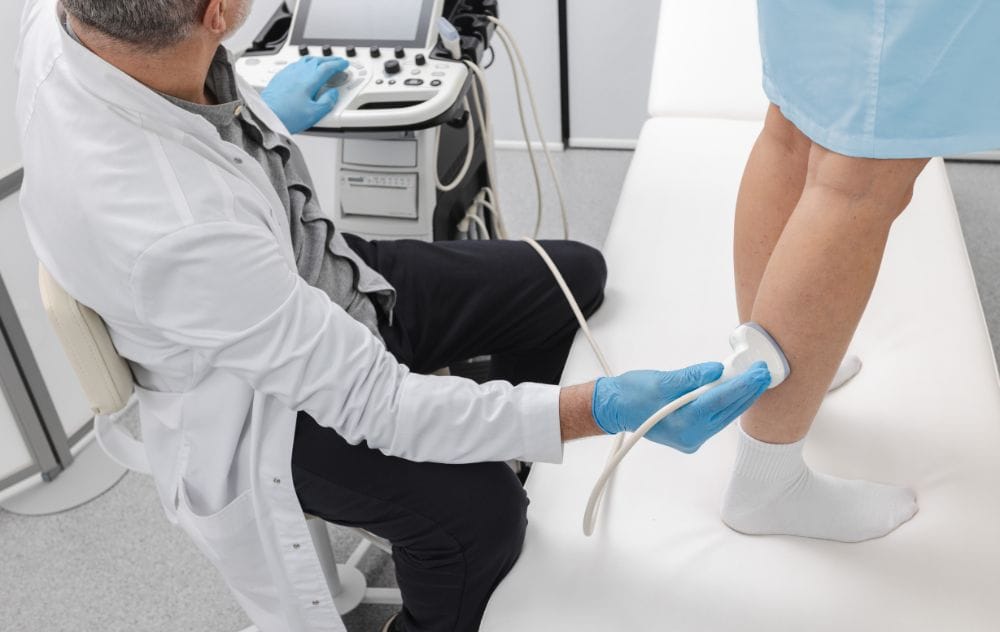
Before treatment begins, an accurate diagnosis is essential. Varicose veins are typically caused by faulty valves inside the veins that allow blood to flow backward and pool in the legs. To identify the source of the problem, a vein specialist performs a comprehensive vein evaluation, which includes a painless duplex ultrasound. This imaging test shows how blood is flowing through your veins and helps pinpoint which veins are not functioning properly. Your symptoms, medical history, and ultrasound results are then used to create a personalized treatment plan.
How Varicose Veins Are Diagnosed
An accurate diagnosis is the foundation of effective varicose vein treatment. During a vein evaluation, a vein specialist reviews your symptoms, medical history, and risk factors before performing a painless duplex ultrasound. This imaging test allows the doctor to see blood flow in real time and identify faulty vein valves or venous reflux. Proper diagnosis ensures that treatment targets the root cause of varicose veins rather than just the visible surface veins.
Varicose Vein Treatment Options
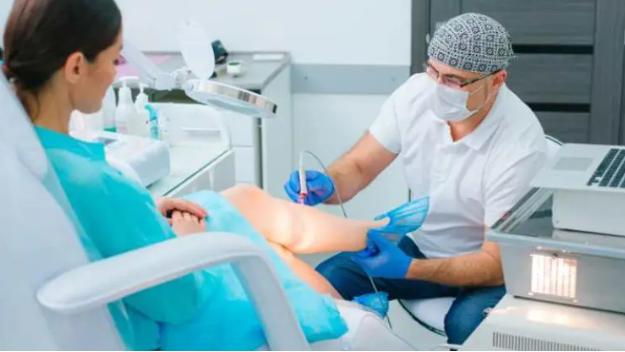
Our non-surgical treatments for varicose veins take less than an hour to perform. During the procedure, a specialist uses ultrasound imaging to guide a fiber or catheter to the target vein to apply treatment. Afterward, most patients can resume their normal daily activities, with symptoms improving soon after.
Here are the minimally invasive varicose vein procedures offered at each of our vein clinic locations:
-
ENDOVENOUS LASER VEIN TREATMENT (EVLT)
EVLT (also known as endovenous laser ablation, or EVLA) is a type of laser treatment for varicose veins and is considered the gold-standard for varicose vein treatment. Using ultrasound guidance, a vein specialist threads a very thin laser fiber into the diseased vein. Then, laser energy heats up the vein, causing it to close off. The body will then reroute blood through healthy veins, providing relief from symptoms.
-
VARITHENA VEIN TREATMENT
Varithena treatment uses foam to treat varicose veins related to the great saphenous vein (GSV) and surrounding veins. Using ultrasound guidance, a small catheter is placed into the diseased vein. Then, varithena foam is injected through the catheter, causing the vein to collapse and seal off.
-
ULTRASOUND-GUIDED SCLEROTHERAPY
During ultrasound-guided sclerotherapy, a vein specialist uses live ultrasound guidance to treat varicose veins located near the skin’s surface. This varicose vein treatment option uses a chemical agent called a sclerosant to intentionally irritate the vein, causing it to collapse and close.
-
CLARIVEIN®
ClariVein® treatment, also known as mechanochemical ablation, uses ultrasound guidance and a special catheter with a rotating tip at one end. This unique varicose vein procedure simultaneously applies mechanical and chemical methods to seal off diseased veins.
-
VENASEAL™
Our VenaSeal™ closure system treats varicose veins by applying a specially formulated medical adhesive through a small catheter into affected veins. This adhesive seals off varicose veins, causing blood flow to be rerouted. Unlike with other methods, the use of compression socks is not usually required after VenaSeal™ treatment.
-
RADIOFREQUENCY ABLATION (RFA)
Radiofrequency ablation, or RFA, applies radio waves to the tissue of a varicose vein. Waves of this frequency heat up collagen inside the vein wall, causing it to contract and close off the vein.
-
VISUAL SCLEROTHERAPY SPIDER VEIN TREATMENT
Spider veins are another possible result of vein disease, like varicose veins. Our clinics can treat spider veins using visual sclerotherapy, in which the vein specialist injects a sclerosant into the small, damaged blood vessel. When treating spider veins, the needle is typically guided by sight rather than using ultrasound.
How Effective Is Varicose Vein Treatment?
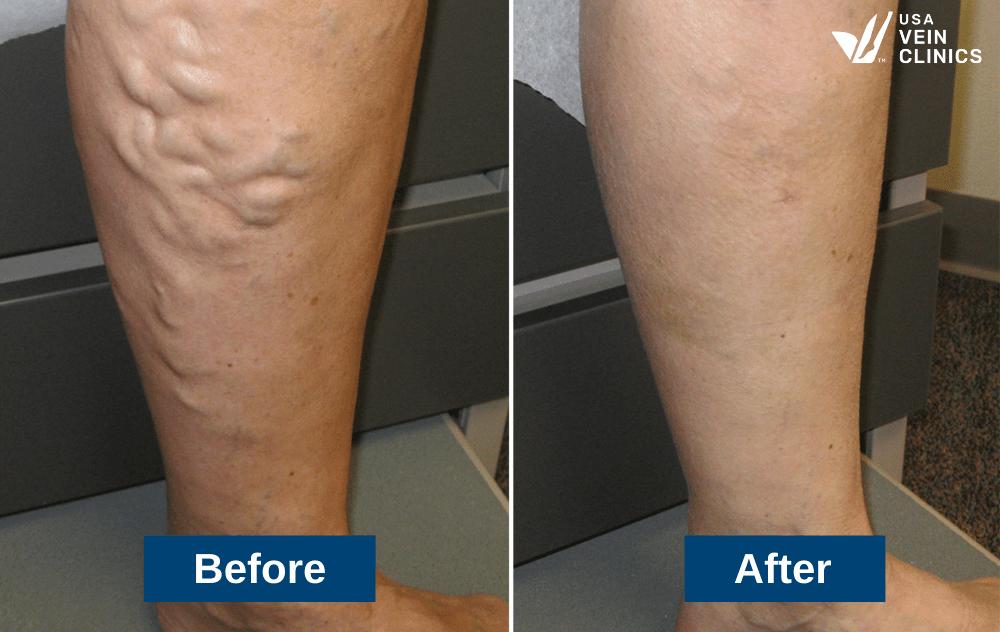
Varicose vein treatment is highly effective for relieving symptoms and improving leg health. Most patients experience reduced pain, swelling, heaviness, and fatigue within weeks of treatment, along with visible improvement in the appearance of their legs. Treating existing problem veins can slow disease progression and significantly improve quality of life.
Varicose Veins Treatment Benefits
Minimally invasive varicose vein treatments quickly improve quality of life by alleviating painful symptoms, improving the appearance of visible veins, and helping reduce the risk of developing several serious health conditions.
But beyond that, there are specific reasons to choose a minimally invasive treatment through USA Vein Clinics:
Convenience: Our treatments are accessible at over 160 vein treatment clinics located across the USA. Treatments for varicose veins are also easy to fit into a busy schedule. These procedures typically take less than an hour, and although some patients prefer to be driven home by a friend or family member, others can drive themselves home. There is no lengthy recovery period or overnight hospital stay so patients can return quickly to daily activities.
Affordability: At USA Vein Clinics, we accept most insurance plans for varicose vein treatment and offer affordable payment options. You can verify your insurance coverage online using our scheduling tool or by calling us at 888.768.3467.
Effectiveness: Our FDA-approved, minimally invasive varicose vein treatments are performed by experienced specialists, resulting in a high clinical success rate.
Quality care: We maintain a high standard at our clinics, which are accredited by the Intersocietal Accreditation Commission (IAC) for Vascular Testing. Our staff are committed to caring for our patients and making a difference in their lives through safe and effective vein procedures.
Insurance
Your Vein Treatment is Probably Covered
Symptoms of vein disease include varicose veins and spider veins, which means that the treatment of these conditions is typically covered by standard insurance plans. If your vein treatment costs are not covered, we offer a range of financing options including CareCredit. We also accept HSA and FSA plans.
For instant insurance verification at a clinic near you schedule online now or give us a call at 888-768-3467 and we will work with you to determine insurance coverage or affordable payment options. We look forward to helping you improve your quality life.
Schedule Online with USA Vein Clinics
At USA Vein Clinics, high-quality varicose vein treatment is convenient, affordable, and highly effective. We provide office-based care at over 160 varicose vein treatment clinics across the United States.
Take the first step toward relief from pain and discomfort. To discuss your varicose vein treatment options with one of our highly skilled specialists, simply make an appointment online or call 888.768.3467. We accept most insurance plans and offer affordable payment options.
Varicose Vein Treatment Frequently Asked Questions (FAQs)
-
DO I NEED VARICOSE VEIN TREATMENT?
-
You may need varicose vein treatment if your veins are causing symptoms or interfering with your daily life. Varicose veins are not just a visual concern and can be a sign of underlying vein disease. Treatment is often recommended if you experience leg pain, aching, heaviness, cramping, swelling in the legs or ankles, itching, burning, skin irritation, or skin discoloration, especially if symptoms worsen after long periods of standing or sitting. Even if your varicose veins are not painful, an evaluation may still be important because untreated vein disease can progress over time and lead to complications such as skin changes, ulcers, or blood clots. A vein evaluation, which typically includes a painless ultrasound, can help determine whether treatment is needed or if conservative care and monitoring are appropriate.
-
HOW DOES VARICOSE VEIN TREATMENT WORK?
-
Our vein specialists offer a range of minimally invasive, office-based treatments for varicose veins in the legs. All of our procedures take less than an hour, from start to finish, and aim to seal off diseased veins, rerouting blood flow to healthy, surrounding veins. Our state-of-the-art techniques include laser treatment for varicose veins, as well as foam treatment, radiofrequency treatments, among other options.
-
IS TREATMENT FOR VARICOSE VEINS COVERED BY INSURANCE?
-
Most major health insurance plans, including Medicare and Medicaid, cover varicose vein treatment. You can use our online scheduling tool to verify that USA Vein Clinics accepts your insurance. We encourage you to contact our dedicated insurance department to discuss the details of your insurance plan’s coverage.
-
HOW EFFECTIVE IS VARICOSE VEIN TREATMENT?
-
Varicose vein treatment is highly effective for most patients, especially when the underlying vein disease is properly diagnosed and treated. Modern, minimally invasive treatments are designed to close or reroute poorly functioning veins, which can significantly reduce symptoms like pain, swelling, heaviness, and fatigue while improving circulation. Most patients experience noticeable symptom relief within weeks, with long-term success rates that are very high when treatment is paired with proper follow-up care and healthy lifestyle habits. While no treatment can prevent new veins from developing in the future, treating existing problem veins can greatly improve comfort, appearance, and quality of life.
-
WHICH VARICOSE VEIN TREATMENT SHOULD I CHOOSE?
-
Choosing the right varicose vein treatment depends on your specific condition, symptoms, and the findings from a vein specialist’s evaluation. Minimally invasive procedures such as endovenous laser therapy (EVLT), radiofrequency ablation (RFA), and ultrasound-guided foam sclerotherapy are commonly used to close or seal problem veins with high success rates and quick recovery times. In some cases, ambulatory phlebectomy may be recommended to remove larger bulging veins that remain after closing the underlying faulty veins. Your vein doctor will review your ultrasound results, discuss your symptoms and goals, and recommend the best option for your situation. The most appropriate treatment varies from person to person, so a personalized evaluation is the best way to determine which therapy will give you the best results.
-
DO VARICOSE VEINS RETURN AFTER TREATMENT?
-
It is very unlikely that varicose veins will return after treatment. Minimally invasive vein treatments are considered effective and are approved by the FDA. These varicose vein treatments work by causing the targeted vein to seal off, and it is unlikely to reopen after treatment. The vein specialists at USA Vein Clinics are highly skilled and experienced in providing good outcomes to our patients.
-
DOES VARICOSE VEIN TREATMENT HURT?
-
Non-surgical varicose vein treatments do not typically hurt. During treatment, the doctor uses local anesthetic to numb the treated area. Some patients may experience some discomfort as the vein is accessed, but many do not.
If you have any specific questions about vein treatments, please feel free to schedule a consultation online.
Sources
- Gregory Piazza, “Varicose veins,” Circulation, https://doi.org/10.1161/CIRCULATIONAHA.113.008331